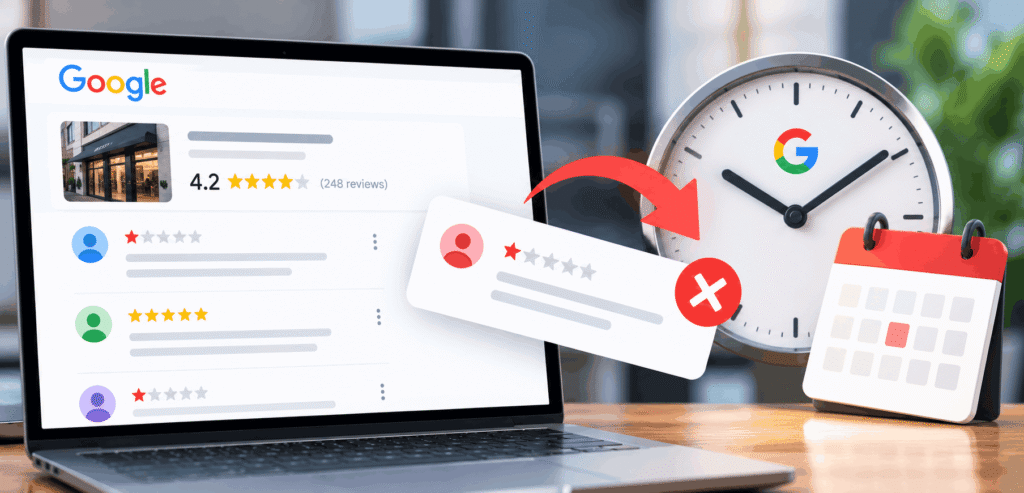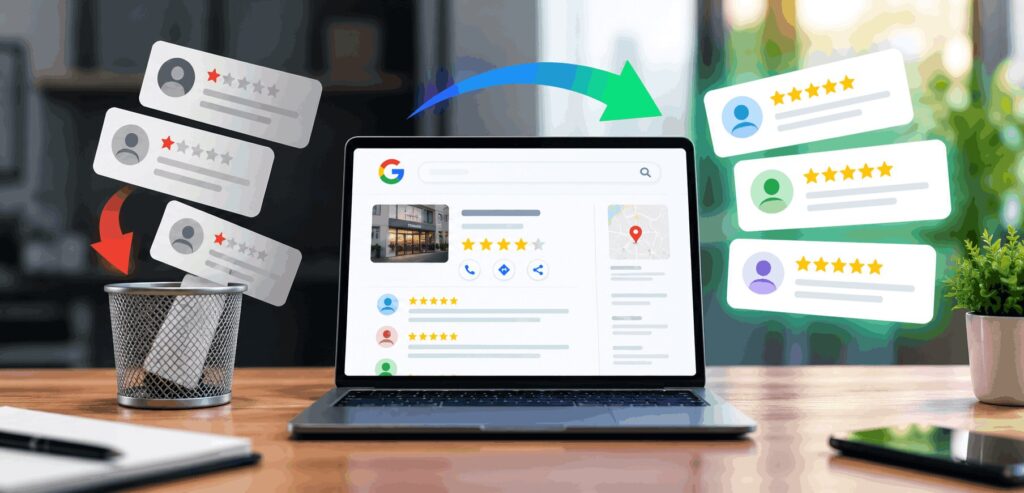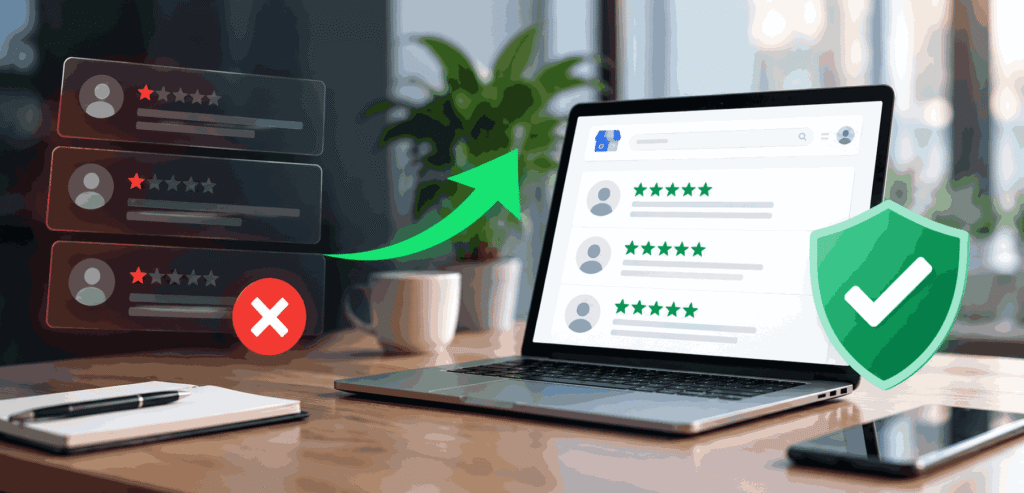
Online reviews, ratings, and search results play a major role in how customers perceive a business. A strong online reputation builds trust and attracts new customers, while negative content can damage credibility and impact revenue.
Despite this, many business owners still believe common myths about Online Reputation Management (ORM), causing them to overlook an essential part of business growth. Understanding the facts behind these misconceptions can help businesses protect their brand, strengthen customer trust, and maintain a positive online presence.
Myth 1: Online Reputation Management Is Only for Large Businesses
Fact: Businesses of Every Size Need Online Reputation Management
One of the most common misconceptions is that ORM is only necessary for major corporations with national or international visibility. In reality, small and medium-sized businesses often face greater risks because they typically have fewer resources to recover from reputation damage.
A local business with only a handful of reviews can experience a significant impact from a single negative review. Potential customers frequently compare businesses online before making decisions, and a poor online reputation can quickly push prospects toward competitors.
Online reputation management helps businesses of all sizes monitor customer sentiment, encourage positive reviews, respond professionally to feedback, and address issues before they become larger problems. Rather than being an expensive luxury, ORM acts as a form of protection that helps safeguard revenue and customer trust.
For small businesses especially, a proactive reputation strategy can provide a competitive advantage in crowded local markets.
Myth 2: Getting Positive Reviews Is Nearly Impossible
Fact: Most Satisfied Customers Are Happy to Leave Reviews When Asked
Many business owners assume that only dissatisfied customers take the time to leave reviews. While unhappy customers may be more motivated to share their experiences, research consistently shows that satisfied customers are willing to leave reviews when asked in a convenient and timely manner.
The challenge is not customer willingness—it’s the review request process. Businesses that simplify the process by sending review invitations through email, SMS, or QR codes often see substantial increases in review volume.
Customers are more likely to leave positive feedback when the request comes shortly after a successful transaction or positive interaction. Providing direct links to review platforms such as Google Business Profile makes the process effortless and increases participation rates.
Consistently generating authentic positive reviews not only strengthens customer trust but also improves local SEO visibility, helping businesses appear more prominently in local search results.
Myth 3: Having No Online Presence Is Better Than Having a Bad Reputation
Fact: An Unmanaged Online Presence Can Be More Dangerous
Some businesses believe that avoiding online platforms altogether protects them from criticism. Unfortunately, the internet does not work that way.
Customers can leave reviews on Google, Facebook, Yelp, and industry-specific directories regardless of whether a business actively manages those profiles. If a company ignores these platforms, negative reviews may become the only visible information available to potential customers.
An unmanaged online presence also creates trust issues. Modern consumers expect businesses to have updated websites, active profiles, and recent customer feedback. A lack of online information can raise concerns about legitimacy and professionalism.
Claiming and optimizing business profiles gives companies greater control over their online narrative. It enables them to respond to feedback, share updates, showcase positive customer experiences, and build credibility over time.
Myth 4: Negative Reviews Don't Have a Major Impact on Business Performance
Fact: Negative Reviews Can Directly Affect Revenue, Trust, and Growth
Negative reviews influence consumer behavior far more than many business owners realize.
A single damaging review can deter potential customers, particularly when there are few positive reviews available to balance it.
The effects extend beyond lost sales. Negative reviews can reduce click-through rates, lower conversion rates, impact local search visibility, and weaken overall brand perception. Potential clients, investors, employees, and business partners often research online reviews before making decisions.
In highly competitive industries such as healthcare, legal services, hospitality, and home services, reputation can be a deciding factor for consumers choosing between similar providers.
Even when a review is inaccurate or misleading, its public visibility can still create doubt in the minds of prospective customers.
This is why ongoing review monitoring and reputation management are critical components of modern business operations.
Myth 5: Once a Negative Review Is Posted, Nothing Can Be Done
Fact: Businesses Have More Options Than They Think
Another widespread myth is that negative online content is permanent and impossible to address.
While honest customer feedback should generally remain online, businesses often have several options when dealing with harmful content.
Fake reviews, defamatory statements, impersonation attempts, and content that violates platform guidelines may qualify for removal.
Businesses can report such content to review platforms and, when necessary, pursue legal remedies.
For legitimate complaints, professional responses can significantly reduce reputational damage.
Potential customers often pay close attention to how businesses respond to criticism. A respectful, solution-focused response demonstrates professionalism and customer commitment.
In many cases, effective ORM involves not only addressing negative content but also generating enough positive content to push harmful information further down in search results.
Myth 6: Great Products and Services Automatically Create a Great Reputation
Fact: Reputation Requires Active Management
Delivering excellent products and services is essential, but quality alone does not guarantee a strong online reputation.
Consumers increasingly rely on online reviews, search results, and social proof when evaluating businesses. Even a company that consistently delivers exceptional service can suffer reputational damage if it ignores customer feedback or fails to maintain an active online presence.
Competitors may actively generate reviews and publish fresh content, allowing them to dominate search results and gain visibility. Meanwhile, businesses that neglect their reputation may struggle to attract new customers despite offering superior products or services.
Active reputation management ensures that positive customer experiences are reflected online, helping businesses build credibility and maintain a competitive edge.
Customer Experience: How Proactive Reputation Management Helped a Local Business
One of our clients at ReviewFix approached us after noticing a steady decline in customer enquiries despite maintaining strong service standards.
When we reviewed their online presence, we found several unanswered negative reviews appearing prominently in search results and on their Google Business Profile.
Potential customers were seeing these reviews before contacting the business, creating trust concerns and impacting conversion rates.
Our team helped the client implement a structured reputation management strategy that included responding to customer feedback, monitoring online mentions, encouraging satisfied customers to leave reviews, and addressing reputation issues before they escalated.
Over time, the business built a stronger review profile, improved customer confidence, and gained greater control over its online reputation.
The experience reinforced an important lesson: even excellent businesses can lose opportunities when their online reputation is left unmanaged.
Taking proactive steps early can help protect customer trust and support long-term business growth.
How to Get Started With Online Reputation Management
Getting started with online reputation management doesn’t have to be complicated. The first step is making sure your business has a strong and accurate online presence.
Claim and optimise your profiles on platforms like Google Business Profile, Facebook, Yelp, and other industry-specific directories. When your business information is consistent across the web, it’s easier for potential customers to find you and trust your brand.
Next, focus on generating customer reviews. Many happy customers are willing to leave positive feedback, but they often need a simple reminder. Sending a review request after a purchase or service can help increase the number of Google reviews and online reviews your business receives. A steady flow of authentic reviews not only builds customer trust but can also improve your local SEO and online visibility.
Another important part of online reputation management is monitoring what people are saying about your business. Regularly checking review platforms, social media channels, and search engine results helps you stay informed about customer sentiment. When you respond promptly to both positive reviews and negative reviews, you show customers that their feedback matters and that your business is committed to providing a great customer experience.
It’s also important to have a plan for dealing with reputation issues. Fake reviews, misleading information, and negative online content can affect your brand reputation if left unaddressed. By identifying and managing these issues early, businesses can minimise potential damage and maintain customer confidence.
While these steps are essential, many business owners find it challenging to consistently manage reviews, monitor online mentions, and protect their reputation while running day-to-day operations. That’s where professional online reputation management services can help.
At ReviewFix, we work with businesses across Australia to improve their online reputation, manage customer reviews, monitor brand mentions, and address reputation challenges before they impact growth. Whether you want to build a stronger business reputation, improve your Google reviews, or protect your brand from negative online content, our team can help you create a reputation strategy that supports long-term success.
“Just remember that you can test different video lengths until you find what works best –– the sweet spot. Pay attention to your video performance and adjust until you see success.”
Hire us?
Just because something worked for one type of review doesn’t mean it will always work.
Ready to fix your reputation with ReviewFix? Get a Free Consultation to Boost Your Business.